Alright, so let’s cut to the chase—if you’re here scrolling because you’re dealing with oily mists from industrial gear, you’ve probably wondered at some point: “Can I just plop my oil mist collector outside? Maybe save some indoor floor space?” Short answer? It’s not as straightforward as you think, and as someone who’s been selling these bad boys for years, I’ve seen way too many folks skip the fine print and regret it. Let’s break this down like we’re chatting over a coffee (but make it industrial-strength coffee, obvi). Oil Mist Collector

First, let’s get on the same page about what an oil mist collector actually does. For those who don’t live and breathe this stuff: these machines suck up that tiny, invisible oil mist that gets kicked up by CNC machines, lathes, hydraulic presses, all that metalworking gear. If you leave that mist floating around a shop, it’s not just gross—It coats everything, clogs up machinery filters, turns your walls yellow, and let’s not even talk about OSHA fines. So yeah, you need one, but putting it outside? That’s a trickier call than it sounds.
Here’s the big “wait” factor: oil mist collectors are built for indoor use 99% of the time. Why? Because their entire design is calibrated for a controlled environment—steady temperatures, minimal direct exposure to the elements, no sudden weather swings. Let’s start with the biggest outdoor enemy: moisture. If you slap a collector outside in the rain (or even just high humidity that’s not contained), two things happen. First, that moisture mixes with the oil mist you’re sucking in, creating a thick, gunky sludge that clogs the filters faster than a clogged sink. Second, most collectors have electrical components—fans, motors, control boards—that are sealed for indoor use, not water-resistant (wait, no, scratch that—some are, but not rated for full outdoor exposure). Rain or even heavy dew can seep in, fry the electronics, and turn your $3k machine into a really expensive paperweight. I can’t tell you how many times a shop called me panicking because their “outdoor test unit” died in a week from a random thunderstorm. Oops.
Next up: temperature extremes. Let’s say you’re in a place that gets sweltering summers or freezing winters—both suck for oil mist collectors. Most indoor units are rated for, like, 40°F to 100°F, give or take. If it’s 110°F outside? The motor’s gonna overheat faster than a kid in a bouncy house, and the oil mist might even vaporize instead of being collected, so you’re basically wasting power. If it’s 20°F below zero? The oil in the mist can start to solidify, clogging the internal pathways and making the fan work so hard it burns out. We had a client in Michigan try this last winter—their collector froze solid in 3 days, and by the time they called us, the fan was seized. No refunds, sorry, but we did end up selling them a heated outdoor-rated unit to fix it.
Then there’s wind and debris. Wait, you thought oil mist was the only thing these machines suck in? If you plop one outside, that intake fan isn’t just grabbing mist—it’s sucking up leaves, dirt, dust, bird droppings, even small bugs. Those clog the pre-filters in like a day, not a week, and suddenly your collector’s not pulling enough mist, which defeats the whole purpose. Plus, high wind can mess with the air flow—if the intake is facing a gusty direction, it’s not pulling the right amount of mist, and the fan might strain, shortening its life. I’ve seen a unit get knocked over by a random strong wind gust too—luckily the owner had it secured, but still, that’s a hassle you don’t need.
Now, before you go thinking “well, that’s a hard no,” hold up—we do have customers using oil mist collectors outdoors, but only when they’re modified for it. Let’s be real, some shops have super limited indoor space. Like, they’re crammed with machines, no room for a collector, so they have to put it on a side wall or even a little patio outside. But here’s the thing—those aren’t the standard off-the-shelf units. They’re the ones we tweak at the shop: we upgrade the electricals to NEMA 4 ratings (so they’re waterproof, dustproof), add a heated enclosure for cold climates, put a heavy-duty pre-filter system that can catch debris, and even adjust the fan speed to account for wind. We did a job for a fabrication shop in Texas last year that had their collector on a back patio, and it’s been running for 18 months now—no issues, but we did the modifications upfront, and we monitor it remotely to make sure it’s holding up. That’s the key: it’s not “can an oil mist collector be used outdoors”—it’s “can you use a modified, outdoor-rated oil mist collector outdoors.” The standard ones? No way.
Wait, let’s also talk about compliance, because this is a big one. OSHA and EPA don’t care if your collector is indoors or outdoors—they care that you’re not releasing oil mist into the air, right? If you put a standard indoor collector outside, there’s a good chance it’s not vented properly. Most indoor units recirculate filtered air back into the shop, which is fine, but if you’re venting it outside (which you might have to do if it’s outside), you need to make sure the filtration meets local emissions standards. A standard unit’s filters might not be enough to strip the mist down to legal levels if you’re venting outside, so you could get hit with an EPA violation. That’s another thing we help with when we do outdoor mods—we make sure the filtration is up to code for outdoor venting.
Let me also throw in a real quick war story to drive this home. A client in Ohio called me last year, all frazzled, because they’d bought a cheap, no-name oil mist collector online and stuck it outside their shop. It rained one night, and the next morning the fan was dead, the filter was covered in sludge, and the control board was corroded. They tried to fix it themselves, messed up the wiring, and ended up needing a whole new unit. I gave them a deal on our outdoor-modified one, but still—they could’ve saved so much time and money if they’d just asked first. Don’t get me wrong, I’m not here to badmouth the cheap online ones, but they’re definitely not built for outdoor use.
Now, let’s talk about what you should do if you’re considering this. First, assess your environment. Is it going to get rain? Extreme temperatures? Lots of dirt or debris? How much floor space do you have indoors—can you squeeze a standard unit in (even a small one) instead of dealing with outdoor mods? If indoor space is truly non-negotiable, reach out to a supplier (shoutout to us, obviously, but any reputable one) and tell them exactly what you’re dealing with. Don’t just say “I need an outdoor collector”—be specific: “I’m in Arizona, 110°F summers, occasional monsoons, need to put this on the north side of the building near my CNC lathes.” A good supplier will not only sell you a modified unit but also give you tips on installation—like elevating it a foot off the ground so it doesn’t sit in water, putting a cover over the intake to block direct rain, maybe even installing a small screen over the pre-filter to catch big debris.
Also, maintenance is way different for outdoor units. Standard indoor collectors need filter changes every 3-6 months, but outdoor ones? Maybe every 1-2 months, because they’re dealing with more gunk. You have to check the electricals regularly for corrosion, make sure the heating element is working in cold weather, clear any debris from the intake. If you skip that, you’re back to square one—clogged filters, dead motors, wasted money.
Wait, one more thing I almost forgot: noise. Industrial oil mist collectors aren’t exactly quiet, right? If you put one outside, that noise might be a problem for your neighbors. We had a client in a small industrial park where their outdoor collector was making so much noise, the nearby office building complained. We ended up adding a sound-dampening enclosure to the modified unit, and that fixed it. That’s another factor you don’t think about when you first say “let’s put it outside”—but it’s totally fixable with the right mods.
So, wrapping this up—can an oil mist collector be used outdoors? The short, honest answer is: only if it’s properly modified and rated for outdoor use. The standard indoor ones? Save your money, don’t risk the breakdowns, the fines, the hassle. I know space is tight, I know you’re looking for any way to make your shop run smoother, but cutting corners here just leads to more headaches down the line.
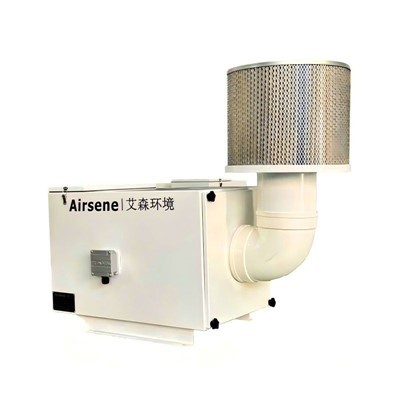
If you’re on the fence, or you’ve already tried an outdoor setup that’s not working, hit us up. We don’t push the most expensive unit—we ask about your shop, your machines, your environment, and give you the best solution, whether that’s squeezing a standard collector in a corner or modifying one for outdoor use. No salesy garbage, just real advice from someone who’s been in this game long enough to know the difference between a unit that works and one that dies in a week.
Filter Purifier References:
- Occupational Safety and Health Administration (OSHA). (2022). Industrial Ventilation: A Manual of Recommended Practice for Design (30th ed.). American Conference of Governmental Industrial Hygienists.
- National Electrical Manufacturers Association (NEMA). (2021). Enclosures for Electrical Equipment (NEMA Standard 250).
- Environmental Protection Agency (EPA). (2020). Air Emissions from Metalworking Operations: Compliance Guidance for Small Businesses.
- American Society of Heating, Refrigerating and Air-Conditioning Engineers (ASHRAE). (2019). Ventilation for Industrial Facilities (ASHRAE Standard 150).
Shaoxing Airsene Environmental Technology Co., Ltd.
As one of the most professional oil mist collector manufacturers in China, we’re featured by quality products and low price. Please rest assured to buy discount oil mist collector made in China here from our factory. We also accept customized orders.
Address: No. 1821, Renmin West Road, Shangyu Economic Development Zone, Shaoxing, Zhejiang Province
E-mail: airsene@163.com
WebSite: https://www.airsene.net/
