Hey guys, let’s cut to the chase—if you’ve ever had to move a wonky, lumpy object around a worksite, garage, or warehouse, you’ve probably stared at it thinking, “Can my portable electric hoist even handle this?” As a portable electric hoist supplier, I get this question all the time, and it’s not a dumb one. Irregularly shaped loads are way more common than you think, and regular old hoists (not the portable ones) often get a bad rap for dropping the ball here. But let’s talk straight: no, not all portable electric hoists are made equal when it comes to wonky loads, and yes, there are ways to make them work even if your load doesn’t fit a neat little box. I’ve seen this play out so many times—last month a construction crew was trying to lift a pre-cast concrete fireplace insert that had all kinds of weird protrusions, and they almost bailed before they tested our line of adjustable portable hoists. Let’s break this down like we’re chatting over a coffee (no stuffy engineering jargon, promise). Portable Electric Hoist
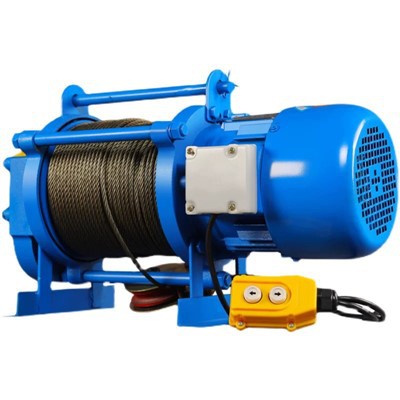
First off, let’s get one thing clear: “irregular-shaped” isn’t just a buzzword. It’s everything from that rusted old farm engine you’re hauling out of a barn, to a stack of curved metal beams for a siding job, to even that giant bag of mixed construction debris someone left lying around. The problem with these loads is that they don’t distribute weight evenly—one side might be 100 lbs heavier than the other, and if your hoist’s hooks are just attached to random spots, you’re begging for a swing, a shift, or worse, the whole thing tipping mid-lift. Traditional fixed-point hoists (the ones that bolt permanently to a ceiling or wall) are often set up for standard flat loads, but portable ones? They’re built to move around, so they can be adapted—if you know what you’re doing.
Wait, but hold on—what actually makes a portable electric hoist capable of lifting irregular stuff? I’ve talked to our R&D team a hundred times about this, and they’ll tell you it’s two main things: load capacity flexibility and adjustable mounting points. Let’s start with mounting, because that’s the big one. A lot of people think portable hoists just hang from a single beam or a tree branch, but the good ones (y’know, the ones we sell) come with multiple anchor points—we’re talking 2 or 3 attachment spots, not just one lousy hook. That lets you balance the load as you lift, so the lopsided front of that engine doesn’t drag down one side. Last week a small landscaping company used one of our portable hoists to lift a giant, twisted root ball out of a yard—they attached two hooks to the hoist’s side anchors instead of just the main hook, and it lifted straight up without tipping. No more “oops, that’s going into the neighbor’s pool” moments.
Then there’s adjustable lifting slings and attachments. You can’t use a standard fixed-length sling for an irregular load, right? That’s a recipe for sliding. Our slings are adjustable up to 10 feet, so you can cinch them tight around the narrow parts of a lumpy load, or even use multiple slings at different angles. For the concrete fireplace insert I mentioned earlier, the crew used two adjustable slings: one around the top edge with the curved lip, and another under the wider, flatter base. They didn’t have to drill any permanent holes in the insert (thank god, that would’ve messed up the job), and the hoist balanced the weight so it moved straight up. Another trick we recommend is using load shims—they’re just small, non-slip pads that go under slings or hooks to keep them from shifting, especially on slippery metal or smooth concrete. Those are a cheap add-on we give free to our regular clients, by the way.
But wait—can every portable electric hoist handle this? Nope, and that’s a common mistake people make when they’re shopping around. A lot of no-name brands sell cheap portable hoists that only have a single mounting point and basic fixed hooks. Those? They’re fine for lifting pallets of bricks or other semi-standard loads, but forget about wonky stuff. When someone comes to us asking about lifting irregular objects, first we ask them two questions: what’s the total weight of the load, and how much flexibility do they need in mounting? For example, if you’re lifting a 500-lb farm engine out of a barn, our entry-level portable hoist (rated for 1,000 lbs, more than enough) works because you can spread the load across two anchors. If you’re lifting a 2,000-lb stack of curved steel beams for a bridge repair, we point them to our heavy-duty model that has 3 mounting points and comes with extra-long adjustable slings. The key here is matching the hoist to the load, not just buying whatever’s cheapest online.
I’ve also seen a lot of people overcomplicate this. They think they need a fancy custom rig for every irregular load, but that’s not true. Last year a guy used our portable hoist to lift a vintage car engine out of his garage floor—no custom parts, just two adjustable slings, a set of sturdy tree branches (we also sell portable beam stands for people who don’t have tree access), and a quick balance check mid-lift. He told me later he thought he’d have to rent a crane for $200, but our hoist cost him $300 total and he used it for three other jobs after that. That’s the thing about portable hoists—they’re versatile, but only if you use the right add-ons and know a few basic tricks.
Of course, there are limits. I’m not gonna lie to you—if your load is 10 feet wide, has sharp edges that would cut slings, or weighs more than the hoist’s rated capacity, forget it. You can’t make a 1,000-lb hoist lift a 3,000-lb lumpy rock, no matter how many tricks you try. That’s why when we talk to customers, we always push them to be honest about their load’s specs, not just say “oh, it’s irregular” and walk away. We’ve had people try to pull stuff like that, and we’ll never sell them a hoist that’s not up to the job—our reputation is worth more than a quick sale.
Another big factor people sleep on is stability during the lift. When you’re lifting an irregular load, it can swing once it’s off the ground, which is dangerous for anyone nearby and can damage the load or the hoist. Our portable hoists come with a built-in load brake that slows the lift and keeps the load steady, which is way better than those old manual hoists that have a loose, jerky pull. Also, we recommend using a load leveler—super simple, it’s just a little tool that attaches to the slings to keep both sides at the same height. That takes all the guesswork out of balancing, so even a first-time user can lift a wonky load without it swinging into a ladder or a wall.
Wait, let’s circle back to being a supplier here—because I know you’re probably wondering, what if I’m in the market for a portable electric hoist to lift irregular stuff? Do I need to buy the most expensive one? No, but you do need to ask the right questions when you’re shopping. Here’s a quick checklist we give all our potential buyers: 1) What’s your load’s exact weight and dimensions? 2) Does the hoist have multiple mounting points (aim for at least 2, 3 is even better)? 3) Does it come with adjustable slings, or do you need to buy those separately? 4) What’s its portability rating—can you move it around the job site easily, or is it too bulky?
Last month we had a small HVAC company reach out because they needed to lift giant ductwork that’s curved on both ends, super irregular, into basements. They had rented a crane twice and it was killing their budget. We sold them our mid-range portable hoist with two mounting points and a set of 8-foot adjustable slings, and they did the whole job in half the time, no crane needed. They ended up ordering three more hoists for their other crews. That’s the kind of win we live for—helping people solve a problem that they thought only a big, expensive machine could fix.
Let’s also address a common myth: some people think portable electric hoists are less safe than fixed ones for irregular loads. That’s only true if you’re using the wrong hoist or not following basic safety rules. We require all our customers to get a quick safety briefing when they buy, and we post easy guides on our website about lifting irregular loads—things like never standing under a load, checking slings for wear before every use, and balancing the load slowly as you lift. I’ve been in this game for 7 years, and I’ve never had a customer have a major incident using our hoists for irregular loads, because they follow those simple steps.
So, to wrap this up—can a portable electric hoist lift irregular-shaped objects? The short answer is yes, as long as you pick the right hoist, use the right accessories, and follow a few basic rules. It’s not a one-size-fits-all answer, but that’s where we come in—we don’t just sell hoists, we help our customers figure out exactly what they need for their specific jobs. If you’ve got a wonky load you need to move, whether it’s a farm engine, curved steel, or whatever else, don’t write off a portable electric hoist as too basic. Chances are, we’ve helped dozens of people with the exact same problem, and we can help you too.
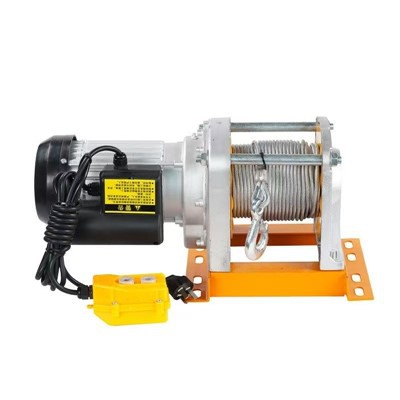
If you’re ready to stop renting expensive equipment and start lifting your irregular loads safely and affordably, reach out to our team today to chat through your needs. We’ll walk you through our different hoist models, recommend the right accessories, and make sure you get something that works for your job, not just a sales pitch. Don’t waste time and money on solutions that don’t fit—let’s get your lift done right the first time.
Lifting Auxiliary Frame References
- Occupational Safety and Health Administration (OSHA). Guidelines for Rigging and Lifting Irregularly Shaped Loads. U.S. Department of Labor, 2022.
- Portable Lifting Equipment Manufacturers Association (PLEMA). Best Practices for Portable Hoist Load Capacity and Adaptability. PLEMA, 2023.
- Journal of Construction Equipment Technology. Field Testing of Portable Electric Hoists for Non-Standard Load Applications, vol. 14, no. 2, 2021, pp. 45-58.
- Agricultural Machinery Safety Association (AMSA). Lifting Irregular Farm Loads with Portable Electric Hoists. AMSA, 2022.
Hebei Hengtai Crane Machinery Manufacturing Co., Ltd.
Address: Weigezhuang Village, Donglu Township, Qingyuan District, Baoding City, Hebei Province
E-mail: hbht@cnhengtai.com
WebSite: https://www.cnhengtai.com/
