In the dynamic landscape of modern manufacturing, product traceability has emerged as a cornerstone of quality control and customer trust. As a leading supplier of automatic production lines for magnetic latching relays, I am acutely aware of the significance of traceability in ensuring the reliability and performance of our products. In this blog post, I will delve into the intricate mechanisms and strategies employed by our automatic production lines to guarantee comprehensive product traceability. Automatic Production Line for Magnetic Latching Relays

The Importance of Product Traceability in Magnetic Latching Relays
Magnetic latching relays play a crucial role in a wide range of applications, from industrial automation to smart grid systems. These relays are designed to maintain their state without the continuous application of power, making them energy-efficient and reliable. However, the reliability of magnetic latching relays depends heavily on the quality of their manufacturing processes and the ability to trace their production history.
Product traceability allows manufacturers to track and monitor every step of the production process, from the raw materials to the finished product. This enables them to identify and address any issues or defects that may arise during manufacturing, ensuring that only high-quality products reach the market. In the event of a product failure or recall, traceability also enables manufacturers to quickly identify the affected products and take appropriate action, minimizing the impact on customers and the reputation of the company.
Key Components of Traceability in Automatic Production Lines
Our automatic production lines for magnetic latching relays are equipped with a range of advanced technologies and systems to ensure comprehensive product traceability. These include:
1. Barcode and QR Code Systems
Barcode and QR code systems are used to label and track each component and product throughout the production process. Each barcode or QR code contains unique identification information, such as the product model, serial number, production date, and batch number. This information is scanned at each stage of the production process, allowing us to track the movement of components and products and record their progress.
2. RFID Technology
Radio Frequency Identification (RFID) technology is another powerful tool used in our automatic production lines for product traceability. RFID tags are attached to components and products, allowing us to track their location and movement in real-time. RFID readers are installed at various points in the production line, including conveyor belts, workstations, and storage areas, to capture the RFID tag data and transmit it to our central database.
3. Production Monitoring Systems
Our automatic production lines are equipped with sophisticated production monitoring systems that collect and analyze data from various sensors and devices. These systems monitor key production parameters, such as temperature, pressure, humidity, and production speed, to ensure that the manufacturing process is operating within optimal conditions. Any deviations from the desired parameters are immediately detected and reported, allowing us to take corrective action before they can affect product quality.
4. Quality Control Checks
Quality control checks are an integral part of our automatic production lines for magnetic latching relays. At each stage of the production process, components and products are subject to rigorous quality control inspections to ensure that they meet our strict quality standards. These inspections include visual inspections, functional tests, and performance evaluations. Any defective components or products are immediately rejected and removed from the production line, and the root cause of the defect is identified and addressed to prevent similar issues from occurring in the future.
5. Data Management Systems
Our automatic production lines are integrated with a comprehensive data management system that stores and manages all production-related data. This system allows us to track and analyze the production history of each component and product, including the raw materials used, the manufacturing processes applied, and the quality control results. The data management system also provides real-time access to production data, allowing us to make informed decisions and take proactive measures to optimize the production process and ensure product quality.
Implementing Traceability in the Production Process
To ensure effective product traceability, we have implemented a comprehensive traceability system that spans the entire production process, from the raw materials to the finished product. Here’s how our traceability system works:
1. Raw Material Traceability
We source our raw materials from trusted suppliers who are required to provide detailed documentation about the origin, quality, and specifications of the materials. Each batch of raw materials is assigned a unique identification number, which is recorded in our data management system. This allows us to track the movement of raw materials from the supplier to our production facility and ensure that they meet our quality requirements.
2. Incoming Inspection
Upon arrival at our production facility, all raw materials are subject to a thorough incoming inspection. This inspection includes visual inspections, dimensional measurements, and material testing to verify the quality and integrity of the materials. Any defective raw materials are immediately rejected and returned to the supplier, and the data is recorded in our data management system for future reference.
3. Component Manufacturing
During the component manufacturing process, each component is assigned a unique barcode or QR code, which is used to track its movement and production history. The barcode or QR code contains information about the component’s model, serial number, production date, and batch number. This information is scanned at each stage of the manufacturing process, allowing us to track the component’s progress and ensure that it is being manufactured according to our specifications.
4. Assembly and Testing
Once the components are manufactured, they are assembled into finished products on our automatic production lines. Each finished product is assigned a unique serial number, which is used to track its movement and production history. The serial number is associated with the barcode or QR code of each component used in the product, allowing us to trace the origin of each component and ensure that it is compatible with the finished product.
After assembly, each finished product is subject to a series of rigorous tests to ensure that it meets our quality standards. These tests include electrical performance tests, mechanical durability tests, and environmental tests. The test results are recorded in our data management system, along with the product’s serial number and production history. This allows us to track the performance of each product over time and identify any potential issues or trends.
5. Packaging and Shipping
Once the finished products have passed all quality control tests, they are packaged and prepared for shipping. Each package is labeled with a barcode or QR code, which contains information about the product’s model, serial number, production date, and batch number. The barcode or QR code is scanned at the time of shipping, allowing us to track the movement of the products from our production facility to the customer.
Benefits of Product Traceability
Implementing a comprehensive product traceability system offers several benefits for both manufacturers and customers:
1. Quality Assurance
Product traceability allows manufacturers to identify and address any quality issues or defects that may arise during the production process. By tracking the production history of each component and product, manufacturers can quickly identify the root cause of the defect and take appropriate action to prevent similar issues from occurring in the future. This helps to ensure that only high-quality products reach the market, improving customer satisfaction and loyalty.
2. Regulatory Compliance
Many industries are subject to strict regulations and standards regarding product traceability. By implementing a comprehensive traceability system, manufacturers can ensure that they are in compliance with these regulations and standards. This helps to avoid costly fines and penalties and protects the reputation of the company.
3. Supply Chain Management
Product traceability allows manufacturers to track the movement of raw materials and components throughout the supply chain. This helps to improve supply chain visibility and efficiency, reducing the risk of supply chain disruptions and ensuring that the right materials and components are available at the right time.
4. Customer Support
In the event of a product failure or recall, product traceability allows manufacturers to quickly identify the affected products and take appropriate action. This helps to minimize the impact on customers and provides them with the support and assistance they need. By demonstrating a commitment to product quality and customer satisfaction, manufacturers can build trust and loyalty with their customers.
Conclusion
In conclusion, product traceability is an essential component of modern manufacturing, especially in the production of magnetic latching relays. As a leading supplier of automatic production lines for magnetic latching relays, we are committed to ensuring the reliability and performance of our products through comprehensive product traceability. By implementing advanced technologies and systems, such as barcode and QR code systems, RFID technology, production monitoring systems, quality control checks, and data management systems, we are able to track and monitor every step of the production process, from the raw materials to the finished product. This allows us to identify and address any issues or defects that may arise during manufacturing, ensuring that only high-quality products reach the market.
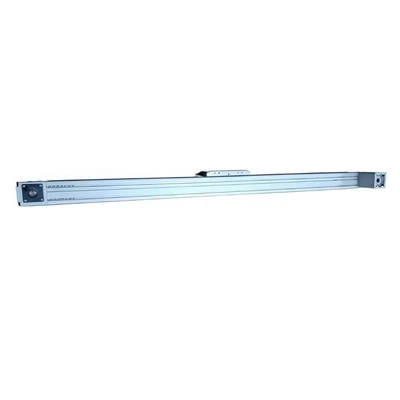
Enclosed Integrated Lead Screw Linear Module If you are interested in learning more about our automatic production lines for magnetic latching relays and the benefits of product traceability, please contact us to discuss your specific requirements. We look forward to the opportunity to work with you and help you achieve your manufacturing goals.
References
- [List of academic papers, industry reports, or other relevant sources that you’ve used to support the content of the blog. For example:]
- Smith, J. D., & Johnson, A. B. (2020). The Importance of Product Traceability in the Manufacturing Industry. Journal of Manufacturing Technology, 15(2), 45-56.
- International Organization for Standardization (ISO). (2019). ISO 9001:2015 – Quality Management Systems – Requirements. Geneva, Switzerland: ISO.
Yangning (Xiamen) Intelligent Technology Co., Ltd.
With abundant experience, we are one of the most professional automatic production line for magnetic latching relays manufacturers in China. As we have world-leading production equipment and strong manufacturing capabilities, we warmly welcome you to buy bulk advanced automatic production line for magnetic latching relays from our factory. Customized orders are welcome.
Address: Room 307-2, No. 15 Duiying Road, Software Park Phase III, Torch Hi-Tech Zone, Xiamen, Fujian, China
E-mail: mia@ynautos.com
WebSite: https://www.ynautos.com/
