As a supplier of heavy – duty raised access floors, I often encounter inquiries from clients about the chemical resistance of these floors. Chemical resistance is a crucial factor, especially in environments where the floor may come into contact with various chemicals. In this blog, I will delve into what chemical resistance means for heavy – duty raised access floors, how it is tested, the factors affecting it, and why it matters in different applications. Heavy Duty Raised Access Floor

Understanding Chemical Resistance
Chemical resistance refers to the ability of a material to withstand the effects of chemical substances without significant degradation, corrosion, or loss of its physical and mechanical properties. For heavy – duty raised access floors, this means that the floor should be able to resist the impact of chemicals such as acids, alkalis, solvents, and cleaning agents commonly found in industrial, commercial, and laboratory settings.
When a heavy – duty raised access floor has good chemical resistance, it can maintain its structural integrity, appearance, and functionality over time, even when exposed to harsh chemical environments. This is essential because a damaged floor can pose safety risks, such as tripping hazards, and may also lead to costly repairs and replacements.
Testing Chemical Resistance
There are several standardized tests used to evaluate the chemical resistance of heavy – duty raised access floors. One common method is the immersion test. In this test, small samples of the floor material are immersed in a specific chemical solution for a predetermined period. The samples are then removed, and their physical properties, such as weight, dimensions, hardness, and surface appearance, are measured and compared to the pre – immersion values. Any significant changes in these properties indicate a lack of chemical resistance.
Another test is the spot test. In this test, a small amount of the chemical is applied to the surface of the floor sample and left for a certain time. Afterward, the surface is cleaned, and the area is inspected for any signs of damage, such as discoloration, swelling, or softening.
The results of these tests provide valuable information about the floor’s ability to resist different chemicals. However, it’s important to note that real – world conditions may vary from the test environment, so these tests are just a guide.
Factors Affecting Chemical Resistance
Several factors can influence the chemical resistance of heavy – duty raised access floors.
Material Composition: The type of material used in the construction of the floor is the most significant factor. For example, floors made of steel may have different chemical resistance properties compared to those made of aluminum or composite materials. Steel floors can be more resistant to some chemicals but may be prone to rust if not properly coated. Composite floors, on the other hand, can be engineered to have specific chemical resistance characteristics by using different resins and fillers.
Coating and Finishes: The coating applied to the surface of the floor can greatly enhance its chemical resistance. Epoxy coatings, for instance, are known for their excellent chemical resistance and can protect the underlying floor material from chemical attack. The quality and thickness of the coating also play a role. A thicker and more uniform coating is generally more effective in providing chemical protection.
Exposure Conditions: The duration and intensity of chemical exposure are important considerations. A floor that can withstand short – term contact with a chemical may not be able to tolerate long – term immersion. The temperature and concentration of the chemical also affect its corrosive potential. Higher temperatures and concentrations can accelerate the chemical reaction between the floor and the chemical, leading to more rapid degradation.
Importance of Chemical Resistance in Different Applications
Industrial Settings: In industries such as manufacturing, chemical processing, and oil and gas, heavy – duty raised access floors are commonly used. These floors are often exposed to a wide range of chemicals, including acids, alkalis, and solvents. Good chemical resistance is essential to prevent floor damage, which could lead to production downtime and safety issues. For example, in a chemical processing plant, a floor that is not resistant to strong acids may be corroded quickly, resulting in leaks and potential environmental hazards.
Commercial Buildings: In commercial buildings such as hospitals, laboratories, and data centers, the floors may come into contact with various cleaning agents, disinfectants, and other chemicals. A chemically resistant floor can ensure a clean and safe environment. In a hospital, for instance, the floor needs to withstand the frequent use of harsh disinfectants to prevent the spread of germs.
Laboratory Environments: Laboratories deal with a diverse range of chemicals, from weak acids to highly reactive substances. Heavy – duty raised access floors in laboratories must have excellent chemical resistance to protect the underlying infrastructure and ensure the safety of the laboratory personnel. A spill of a corrosive chemical on a non – resistant floor could cause significant damage to the floor and other equipment in the vicinity.
Our Offerings as a Supplier
As a supplier of heavy – duty raised access floors, we understand the importance of chemical resistance. We offer a wide range of floors engineered to meet different chemical resistance requirements. Our floors are made from high – quality materials and are often coated with advanced epoxy or other protective finishes to enhance their chemical resistance.
We work closely with our clients to understand their specific needs. Whether they are in an industrial, commercial, or laboratory environment, we can provide customized solutions. For example, if a client is in a chemical – processing industry, we can recommend floors with high – grade steel and a thick epoxy coating that can withstand the specific chemicals used in their process.
We also provide detailed information about the chemical resistance of our floors, including the results of our in – house and third – party testing. This allows our clients to make informed decisions based on their actual chemical exposure scenarios.
Conclusion
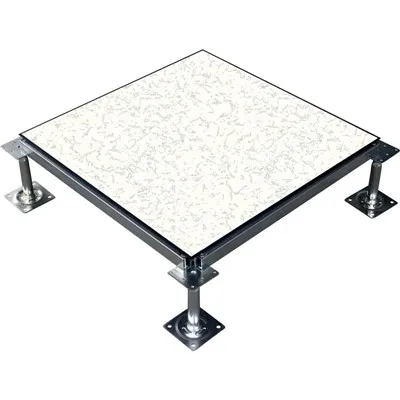
Chemical resistance is a vital characteristic of heavy – duty raised access floors, especially in environments where exposure to chemicals is a concern. Understanding the concept of chemical resistance, the testing methods, and the factors that affect it is crucial for choosing the right floor for a specific application.
Raised False Flooring As a supplier, we are committed to providing high – quality heavy – duty raised access floors with excellent chemical resistance. If you are in need of heavy – duty raised access floors and have questions about chemical resistance or any other aspect of our products, we encourage you to reach out to us for further discussion and potential procurement. Our team of experts is ready to assist you in finding the best flooring solution for your needs.
References
- ASTM International Standards on Material Testing
- ISO Standards for Industrial Flooring
- Technical Reports on Composite Materials and Their Chemical Resistance
Fineco Tech Co., Ltd.
As one of the most professional heavy duty raised access floor manufacturers and suppliers in China, we’re featured by quality products and good service. Welcome to wholesale customized heavy duty raised access floor made in China here from our factory. If you have any enquiry about cooperation, please feel free to email us.
Address: Wuyue Square, Wujin District, Changzhou, Jiangsu, China
E-mail: info@finecotech.com
WebSite: https://www.finecoglobal.com/
