What is the difference between a straight truck and a tractor – trailer?
As a seasoned professional in the trucking industry and representing a reliable trucks supplier, I’ve witnessed firsthand the diverse needs of businesses when it comes to transportation. One of the most common inquiries we receive is about the differences between straight trucks and tractor – trailers. In this blog, I’ll delve into the key aspects that set these two types of trucks apart, helping you make an informed decision for your hauling requirements. Trucks
Structural Design
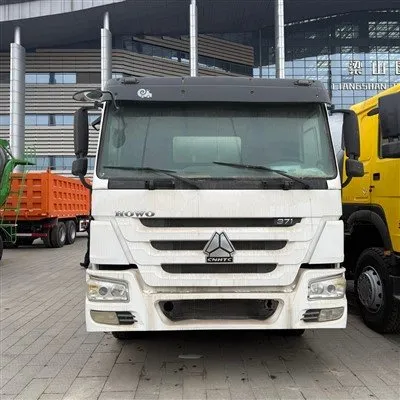
The most obvious difference between a straight truck and a tractor – trailer lies in their structural design. A straight truck, also known as a single – unit truck, is a self – contained vehicle. It consists of a single frame that integrates the cab (where the driver sits) and the cargo area. The cab and the cargo compartment are built as a single unit, with the engine, transmission, and other mechanical components all housed within this unified structure.
On the other hand, a tractor – trailer, also called a semi – truck or an 18 – wheeler, is a combination vehicle. It is made up of two main parts: the tractor and the trailer. The tractor is the front part of the vehicle that contains the engine, cab, and the power – train components. It is designed to provide the power and control for the entire rig. The trailer is the detachable rear part that is used to carry the cargo. The tractor and the trailer are connected by a fifth – wheel coupling, which allows for easy attachment and detachment of the trailer.
This difference in design has significant implications for the flexibility and capacity of the two types of trucks. Straight trucks are more compact and maneuverable, which makes them ideal for operations in tight spaces or areas with limited access. They are commonly used for local deliveries, such as food distribution, furniture moving, and small – scale freight hauling in urban areas.
Tractor – trailers, due to their modular design, offer greater flexibility in terms of cargo capacity. Different types of trailers can be attached to the tractor depending on the nature of the cargo. For example, flatbed trailers are used for hauling large, bulky items like construction materials, while refrigerated trailers are used for transporting perishable goods. The ability to change trailers also means that the tractor can be used more efficiently, as it can be quickly paired with a different trailer once the current one is unloaded.
Cargo Capacity
Cargo capacity is another crucial factor that differentiates straight trucks from tractor – trailers. In general, tractor – trailers have a much larger cargo capacity than straight trucks. The size of a straight truck’s cargo area typically ranges from 10 to 26 feet in length, with a maximum payload capacity of around 10,000 to 26,000 pounds. This is suitable for transporting relatively small to medium – sized loads.
Tractor – trailers, on the other hand, can have trailers that range from 28 to 53 feet in length, and their payload capacity can exceed 40,000 pounds. The larger size and higher payload capacity of tractor – trailers make them the preferred choice for long – distance transportation of large volumes of goods, such as in the shipping of goods between states or countries.
However, it’s important to note that the cargo capacity of both types of trucks can be affected by various factors, such as the vehicle’s gross vehicle weight rating (GVWR), axle configuration, and local regulations regarding weight limits.
Maneuverability
Maneuverability is a critical consideration, especially when it comes to navigating through congested urban areas or making frequent stops. Straight trucks have a clear advantage in terms of maneuverability. Their single – unit design gives them a shorter wheelbase, which allows for tighter turning radii. This makes it easier to navigate through narrow streets, alleys, and busy loading docks. Straight trucks can also be parked more easily in smaller spaces, which is a significant advantage for local delivery operations.
Tractor – trailers, with their long and flexible design, are less maneuverable. The length of the trailer adds to the difficulty of turning, backing up, and navigating in tight spaces. Drivers of tractor – trailers need to have specialized training to handle these large vehicles safely, especially when performing complex maneuvers such as docking at loading bays. However, technological advancements such as backup cameras and advanced steering systems have helped to improve the maneuverability of tractor – trailers to some extent.
Cost
The cost of purchasing, operating, and maintaining a truck is an important factor for businesses. In terms of upfront cost, straight trucks are generally less expensive than tractor – trailers. The simpler design of straight trucks means that they require less complex manufacturing processes, which translates to a lower purchase price. This makes them a more affordable option for small businesses or startups with limited capital.
When it comes to operating costs, both types of trucks have their own cost drivers. Straight trucks typically have better fuel efficiency, especially for shorter distances and in stop – and – go traffic. Their smaller size and lighter weight mean that they require less fuel to operate. However, they may incur higher labor costs per unit of cargo transported, as their lower payload capacity means that more trips may be required to move the same amount of goods compared to a tractor – trailer.
Tractor – trailers, while more expensive to purchase, can be more cost – effective in the long run for transporting large volumes of goods over long distances. The higher payload capacity allows for more goods to be transported in a single trip, which can reduce the overall transportation cost per unit of cargo. However, tractor – trailers consume more fuel due to their larger size and heavier weight, and they also require more expensive maintenance and insurance due to the complexity of the vehicle.
Regulatory Requirements
Both straight trucks and tractor – trailers are subject to various regulatory requirements, but there are some differences between the two. Straight trucks, especially those with a GVWR of less than 26,000 pounds, may be subject to less stringent regulations compared to tractor – trailers. For example, they may not require a commercial driver’s license (CDL) for operation in some cases, depending on the jurisdiction and the nature of the cargo.
Tractor – trailers, due to their larger size and higher payload capacity, are typically subject to more comprehensive regulations. Drivers of tractor – trailers are required to have a CDL, which involves passing a written exam, a skills test, and a medical examination. Tractor – trailers also need to comply with strict federal and state regulations regarding weight limits, safety equipment, and maintenance schedules.
Conclusion
In conclusion, the choice between a straight truck and a tractor – trailer depends on a variety of factors, including the nature of your business, the type of cargo you need to transport, the distance of your hauls, and your budget. Straight trucks are a great option for local delivery operations that require maneuverability and relatively small cargo capacity. They are more affordable to purchase and operate, and they may be subject to fewer regulatory requirements.
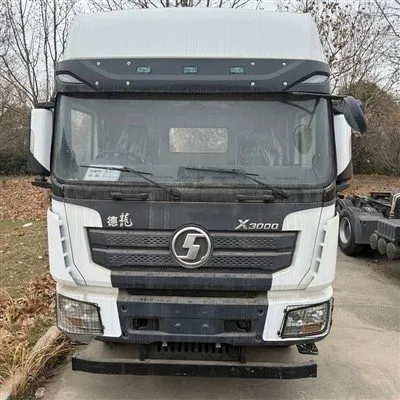
Tractor – trailers, on the other hand, are better suited for long – distance transportation of large volumes of goods. Their modular design offers greater flexibility in terms of cargo capacity, and they can be more cost – effective in the long run for high – volume shipping. However, they are less maneuverable, more expensive to purchase and maintain, and require more specialized training to operate.
Tanker As a trucks supplier, we understand that making the right choice is crucial for your business success. That’s why we offer a wide range of straight trucks and tractor – trailers to meet your specific needs. Our team of experts is always ready to assist you in evaluating your requirements and selecting the most suitable truck for your operations. If you’re interested in learning more about our trucks or have any questions about the difference between straight trucks and tractor – trailers, please don’t hesitate to contact us for a purchase consultation. We look forward to helping you find the perfect truck solution for your business.
References
- "Commercial Vehicle Handbook." Federal Motor Carrier Safety Administration.
- "Transportation Best Practices for Different Types of Trucks." American Trucking Associations.
- "Truck Design and Maneuverability Analysis." Society of Automotive Engineers.
Shandong Huayuanda Automobile Manufacturing Co., Ltd.
As one of the most experienced trucks manufacturers and suppliers in China, our products have good reputation in the market. We warmly welcome you to buy high quality trucks at low price from our factory. If you have any enquiry about cooperation, please feel free to email us.
Address: Industrial Park, Quanpu Town, Liangshan County, Jining City, Shandong Province
E-mail: Huayuanda2024@163.com
WebSite: https://www.hydtrailer.com/
