If you’re anything like the thousands of people I talk to every month at the desk shop I run, your desk is more than just a workspace—it’s the heart of your home office, your kid’s homework hub, or the corner where you pay bills and plan weekend trips. Last week, a regular customer named Mia came in, frustrated because she’d just bought three new gel pens, a set of custom highlighters, and a stapler, only to spend 20 minutes digging through a junk drawer just to find a ruler. “I don’t mind having stuff around,” she said, “but I need to know where each thing is when I need it.” That conversation stuck with me, because it’s the reason I don’t just sell desks—I spend a lot of time helping people figure out how to use that desk to organize their stationery without turning it into a cluttered mess. Over the years, I’ve tested dozens of storage hacks, worked with carpenters to add small, functional features to our desks, and even asked a few industrial designers (who hate cluttered workspaces more than anyone) for their input. Today, I’m breaking down what works, what’s a waste of time, and how to store your stationery in a way that saves you time, keeps your desk clean, and even helps you be a little more productive. Desk

First, let’s start with the biggest mistake I see most people make: storing all stationery the same way. A heavy stapler doesn’t belong in the same tiny pen cup as flimsy highlighters, and you don’t need to keep a 12-pack of correction tape on the top of your desk if you only use it once a month. The key is to sort your stationery into three categories: items you use every single day, items you use a few times a week, and items you use rarely (or only for specific tasks). Once you’ve done that, you can assign a spot to each category that’s both accessible and out of the way when you don’t need it. I tell every customer to do this sort first, before buying any new storage bins or cup holders—because half the time, you’ll realize you don’t need extra stuff, you just need to rearrange what you already have. For example, I had a customer who kept a roll of wrapping paper on her desk top because she used it once a month, but when she sorted her stationery, she realized the paper was actually a wrapping supply, not regular desk stationery, so we added a small under-desk hook to hold it, freeing up half her desktop for her daily pen cup and notebook.
Now, for the daily-use stationery—this is the stuff you reach for at least three times a day: pens, pencils, highlighters, erasers, a small stapler, and maybe a sticky note pad. The best spot for these is within arm’s reach, on the surface of your desk, but not so close that they take over the space where you type or write. I’ve tested a lot of pen cups, but the ones that work best aren’t the cheap plastic ones you find at the dollar store. The problem with those is that they’re too wide, or they tip over if you set a heavy stapler next to them, and they usually end up with crumbs and loose paper clips at the bottom, so you’re digging through garbage every time you need a pen. Instead, look for a narrow, tall pen holder that’s divided into sections—so you can separate pens from pencils from paper clips. One of the features we added to our best-selling desks last year is a small built-in pen tray on the side of the desk, right next to the keyboard. It’s only two inches deep, so it doesn’t take up space, and it has three slots: one for writing utensils, one for small tools like staplers, and one for loose notes. We’ve had so many customers tell me that this tiny change cut their clutter in half, because they don’t have to move their pens every time they type.
If you don’t want a built-in tray, a great alternative is a desk caddy that clips onto the edge of your desk, instead of sitting on top. I used to think these were flimsy, until I tested one for a year—they hold 10 pens, a calculator, and a small stapler, and because they hang off the edge, they don’t take up any of the actual desk space. The only thing to watch out for with desk caddies is that they’re not too heavy—if you load them up with too many heavy items, they can pull the edge of the desk a little, which is why our caddies are designed to distribute weight evenly across the edge. Another pro tip for daily stationery: keep only the pens you actually use. I’ve had customers who hoarded 50 pens from conferences, old jobs, and random giveaways, and their pen holder was so full that they could barely pull out a pen without knocking over everything else. I tell them to go through their pens and keep only their favorite 5 or 6—ones that write smoothly, don’t dry out, and fit their hand. The rest can go into a drawer for backup, so you don’t have a bunch of junk taking up space on the top.
Next, the weekly-use stationery: this is stuff you use once or twice a week, like a ruler, a pair of scissors, correction tape, a larger stapler, or a set of markers for bullet journaling. These don’t need to be on your desk, but they do need to be easy to get to, so you’re not rummaging through a deep drawer every time you need a ruler. The best spot for these is a shallow drawer, the kind you might have in the top of your desk that’s only four or five inches deep—deep enough to hold items standing up, but not so deep that they get lost. The trick to organizing a shallow drawer is to use small, divided bins so items don’t slide around. I recommend using clear plastic bins that are about the length of a ruler, so you can stand the ruler up inside, and another bin for scissors and correction tape. I’ve seen people use old tissue boxes or even cereal boxes for this, but plastic bins are sturdier and don’t get crumpled if you need to move them. Another option for weekly-use items is a small rolling cart that fits under your desk—you can roll it out when you need markers for a project, then push it back under when you’re done. It’s a great solution if your desk drawers are already full of other things.
One thing I warn against for weekly items: don’t store them on the side of your desk where your arm hits it every time you turn around. I had a customer who kept her scissors on the side of her desk, and she knocked them off twice a week, almost cutting herself both times. It’s a small thing, but safety and convenience go hand in hand when you’re organizing your desk. If you do want something hanging off the side, look for a small pocket organizer that’s only for flat items, like sticky note refills or correction tape, not sharp scissors or heavy staplers.
Now, the rarely-used stationery—this is the stuff you only pull out once a month, or for specific projects: extra packs of pens, custom event highlighters, a hole punch, printer paper extras, or a label maker. These can be stored in a deeper drawer in your desk, or even a storage bin under the desk, since you don’t need to get to them every day. The key here is to label everything clearly, so you don’t open three different drawers looking for a pack of markers. I recommend using a small label maker (ironic, I know, but worth it) or even masking tape and a marker to label bins, so you can see exactly what’s inside at a glance. Another tip for rarely-used stationery: donate or toss anything you haven’t used in six months. I’ve had customers who kept a pack of pens that dried out three years ago, and a ruler that broke, just because they thought they “might need it someday.” Clearing that out not only frees up space, but it also makes it easier to find the things you actually use when you need them.
There’s one more thing that a lot of people overlook when organizing stationery: desk surfaces that are used for other things. If you use your desk for your laptop, for writing letters, or for feeding your kids’ homework, you don’t want stationery taking over the part of the desk where you work. That’s why I always tell people to keep a “clean zone” on their desk—an area of at least 12 inches by 12 inches where you only put your laptop, notebook, or whatever you’re working on. All stationery should stay outside that clean zone, so you don’t end up with pens and sticky notes covering your keyboard or your work papers. We added a line along the top surface of our desks that’s slightly raised, to mark that clean zone, and customers say it makes a huge difference in how focused they feel at their desk. I’ve also seen people use a small mouse pad as a clean zone boundary—keep all stationery to the left or right of the mouse pad, so the middle stays clear.
Now, let’s talk about common mistakes that people make when organizing stationery, because even if you sort your stuff into categories, you can still mess this up. First, don’t use too many small storage items. I had a customer who bought 10 different bins for her stationery, and she ended up with bins that were empty, or bins that had three different types of erasers crammed in, making them impossible to open. Stick to 2 or 3 bins for all your stationery—one for daily, one for weekly, one for rarely used. Second, don’t store stationery near heat or sunlight. Pens dry out faster if they’re next to a window, and erasers get crumbly if they’re in a hot spot. I’ve had a customer who kept her pen cup next to her space heater, and half her pens were useless after a month. That’s such a small thing, but it saves you money on buying new pens all the time. Third, don’t forget to clean your stationery storage regularly. Once a month, take everything out of your pen cup or drawer, wipe it down with a damp cloth, and throw away any broken items or crumpled paper. I do this with my own desk, and every time, I find a paper clip I lost three months ago, or a pen that still works that I forgot about. It only takes 10 minutes, and it keeps your stationery from getting grimy.
As someone who’s been in the desk business for years, I can tell you that the best organizational tip isn’t a fancy storage hack or an expensive desk accessory—it’s customizing the storage to fit how you actually work. A student might need more space for markers and pencil sharpeners, so we’ll add an extra shallow drawer to their desk. A freelancer who works with a lot of documents might need a built-in file slot on the side, so they can keep stationery and papers all in one place. The last thing I want is for someone to buy a desk that looks great, but doesn’t work for their stationery—because that desk won’t become the heart of their workspace, it’ll just be another piece of furniture they have to rearrange.
If you’re tired of digging through cluttered drawers, or knocking over your pen cup every time you turn, and you’re ready to get a desk that works with your stationery instead of against it, we’d love to help. Our team can talk through your specific needs—whether you work from home, run a small office, or just need a better way to organize your kid’s homework station—and show you how our desks’ built-in storage features fit perfectly with what you use every day. There’s no one-size-fits-all when it comes to organizing, and we’re not here to push a generic solution—we’re here to help you find what works for you.
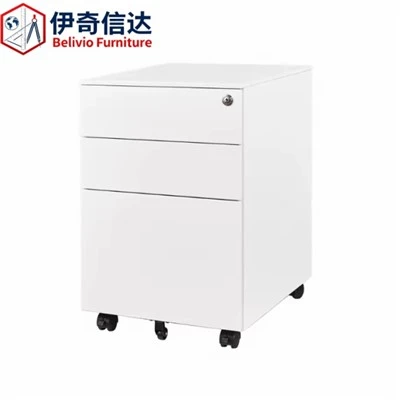
When it comes to storing stationery on a desk, the goal is simple: make the things you use most accessible, the things you use less often easy to find, and keep the stuff you don’t need out of the way. It’s not about having a perfectly organized desk that looks like it’s from a magazine—it’s about saving you time, reducing stress, and making your workspace feel like yours. After all, your desk is where you do your best work, and the last thing you want is stationery standing in the way of that.
Heavy-Duty Storage Shelf References
- Industrial Designers Society of America. (2022). Ergonomic Storage Solutions for Home Workspaces. Retrieved from professional industry publications on workspace organization
- National Association of Home Builders. (2021). Small Space Organization Tips for Desks. Retrieved from home and lifestyle industry resources on functional desk design
- Stationery and Office Products Association. (2023). Best Practices for Stationery Storage to Reduce Waste and Improve Accessibility. Retrieved from trade association guidelines for office product organization
Luoyang Belivio Furniture Co., Ltd.
As one of the most professional desk manufacturers in China, we have world-leading production equipment and strong manufacturing capabilities. Welcome to buy high-end desk for sale here from our factory. Quality products and reasonable price are available.
Address: A7-4-601, Hundsun Science and Technology Park, Luolong District, Luoyang City, Henan Province, China
E-mail: belivio@toda.group
WebSite: https://www.beliviofurniture.com/
