Alright, let’s dive into the messy, real-world deal of cat litters—specifically mixed vs. silica gel, from someone who’s been deep in the game as a mixed litter supplier for a few years now. If you’ve ever stared at a shelf at a pet store, confused by the 12 different types of litter, you’re not alone. I’ve had so many pet parents hit me up going, “Wait, my silica gel is… not living up to the hype?” or “You guys say mixed litter solves the big problems—let’s break it down.” Let’s cut the jargon and talk like we’re grabbing coffee (well, more like sneaking a coffee mid-poop patrol, let’s be real). Mixed Cat Litter
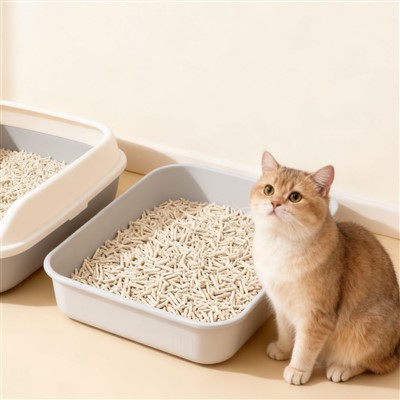
First off, let’s keep it simple: when people say “mixed cat litter,” they’re usually talking about a blend of two or more core materials—most commonly bentonite clay (the clumpy stuff we all know) and something else, like recycled plant fiber (think corn or wheat) or even a tiny bit of silica to boost odor control. Silica gel litter, on the other hand, is basically those little blue or clear beads you find in shoeboxes, made from processed silicon dioxide. I started selling mixed litter because I saw too many folks swinging to silica gel thinking it was the end-all-be-all, only to come back a month later frustrated. Let’s pull back the curtain on both.
Let’s start with the big one that keeps every cat parent up at 2 a.m.: odor control. This is where silica gel’s reputation usually precedes it, right? You hear “it absorbs odor!” and think, “Finally, no more stinky litter box by the front door.” But here’s the tea I’ve learned from thousands of customers: silica gel works in a very specific way—it traps moisture and odor on its porous beads, but only until those beads are fully saturated. And guess what? Cat urine isn’t just water; it’s got all those funky ammonia compounds that stick around even when the bead is damp. Once the beads hit that saturation point (usually every 3-5 days, if you’re lucky), suddenly the litter box smells like a litter box again—hard stop. Also, silica gel doesn’t clump, so you can’t scoop individual messes like you can with clay. That means when you scoop, you’re tossing out a bunch of fresh, unused beads just to get the soiled ones. I’ve had a customer tell me she thought silica gel was a “set it and forget it” until she realized she was changing the entire litter box every week because the smell was unbearable.
Now, mixed litter? We’ve engineered ours to pair clumping bentonite (which grabs solid and liquid messes tightly) with a plant-based fiber core that acts like a sponge for lingering odors. The clay clumps let you scoop daily, so you’re only removing the dirty bits, and the plant material neutralizes that ammonia smell right when it happens. Our customers consistently tell us their litter box stays fresh for 24 hours or more, even with multiple cats. Last month, a vet clinic reached out because they had 8 cats in their foster room—they were going through silica gel every two days, switching to our mixed litter cut their litter bill by 40% and the staff said the room stopped smelling like a shelter. That’s the real win, not the marketing fluff.
Next up: cost and waste. This is where the number-crunching gets eye-opening, especially if you’re a multi-cat household. Let’s do a quick rough math (no fancy spreadsheets, I promise). A 10-pound bag of silica gel litter runs around $25-$30 at most pet stores. For a single cat, that bag lasts roughly 2 weeks, so that’s $60-$78 a month. For two cats? You’re looking at two bags a month, $120-$156. Now our mixed litter: a 20-pound bag is usually $18-$22, and it lasts 3-4 weeks for a single cat. For two cats, that’s 1.5 bags a month, so around $27-$33 total. That’s a huge difference, right?
And don’t even get me started on waste. Silica gel is not recyclable, and those tiny beads can be a hazard if your cat tries to chew on them (more on that later). Each bag is mostly non-biodegradable, and when you toss the whole thing every few days, that adds up to a lot of landfill waste. Our mixed litter, though, is made with 70% recycled plant fiber and biodegradable bentonite. The clumps break down if you compost them (some cities even have pet compost programs now), and the leftover bits that aren’t scoopable are way less harmful for the environment. I’ve had eco-conscious pet parents tell me they switched after realizing their silica gel habit was adding more plastic and non-recyclable junk to their weekly trash.
Wait, speaking of cats, safety is huge—this isn’t just about us, it’s about the furry ones. Silica gel litter has a big red flag: it’s non-clumping beads that are small enough for a kitten or a curious cat to ingest. If your cat swallows silica beads, they can cause intestinal blockages, which is a trip to the vet that costs thousands of dollars. I’ve had so many panic messages from a client whose kitten ate a handful of silica gel—they rushed to the ER and it was a nightmare. Mixed litter, meanwhile, has big, heavy clumps (thanks to the bentonite) that are not easy to swallow, and the plant-based fibers are non-toxic even if a cat takes a nibble. Our lab tests confirm that even if a small cat eats a teaspoon of our mixed litter, it’s not going to cause a blockage—just maybe a mild upset stomach, which is way better than a vet bill for surgery.
Now, what about cons, because I’m not here to bash silica gel—they both have their place, right? Silica gel is lighter, so if you’re someone who struggles to lift heavy bags (hi, I’m 5’4” and the 20-pound silica bags were killing my back), that’s a plus. And it doesn’t track as much? Wait, no—wait, let’s be real: silica gel beads are tiny, they get stuck in cat paws and all over your house. I’ve had customers send me photos of silica beads under their couch, in their bed, even in their cereal (gross, I know). Our mixed litter is a bit heavier, but the clumps stay in the litter box when you scoop, and the plant fibers don’t shed like silica beads do. Also, some people say bentonite can be dusty—we solved that by adding a dust-reduction coating that’s safe for cats, so that’s not an issue anymore.
Wait, let’s talk about who actually benefits from which. Silica gel is great for people who travel for 3-4 days at a time and have a single cat, right? Because it doesn’t need daily scooping (well, as long as it’s not saturated). But if you’re a multi-cat household, a new kitten, someone who’s eco-conscious, or just tired of spending a fortune on litter every month? Mixed litter is the way to go. I’ve had a lot of skeptical customers come to me because they used to swear by silica gel, and after switching, they send me messages like, “Why didn’t I try this sooner?”
Let me throw in a real example from a regular customer of mine, Sarah, who has three 2-year-old cats. She was using silica gel and spending $130 a month on litter, plus was replacing her vacuum filter every month because of silica dust. She switched to our mixed litter 6 months ago, and now she spends $35 a month, her vacuum filter is only changed every 3 months, and she hasn’t had to throw out an entire litter box because of smell since. That’s the kind of win that makes me love what I do, not the flashy marketing from big brands.
Now, I know some of you are thinking, “Wait, is all mixed litter the same?” No, definitely not. A lot of cheap mixed litters are just bentonite with a tiny bit of plant fiber, which doesn’t help with odor control at all. We’ve tested our mixed litter for over 5 years, working with vets and cat behaviorists to make sure the clump is tight enough to hold urine and solid waste, the odor neutralizer is gentle on cats, and it’s not too dusty. That’s why so many vet clinics and animal shelters trust us for their fosters.
If you’re a pet parent looking to switch up your litter, or a shop owner/rescue looking to source a better option that’s affordable and safe, I’d love to chat. We’ve got bulk pricing for shelters and retailers, sample packs for pet parents to test, and we can answer any questions about how our mixed litter compares to silica gel. No sales pitch, just real talk about what works for both cats and humans.
Wait, one last thing to wrap it up: at the end of the day, the best litter is the one that works for you and your cat. But after seeing hundreds of families go through both, mixed litter solves more of the common problems pet parents face—stinky litter boxes, high costs, messy tracking, safety concerns—than silica gel does. Don’t get me wrong, silica gel isn’t terrible, it just has very specific use cases, whereas mixed litter is a workhorse that fits most households.

If you’re ready to make the switch, or just want to learn more about our mixed litter line, feel free to reach out for a consultation. We can help you figure out if it’s right for your setup, whether you have one cat or ten, and make sure you get the best value for your money and your cat’s health. Now, if you’ll excuse me, I’ve got a litter box to scoop, but at least I know it’s with litter that actually works.
Bentonite Cat Litter References:
- American Veterinary Medical Association. (2022). "Pet Litter Safety and Best Practices." AVMA.org.
- Humane Society of the United States. (2021). "Choosing the Right Cat Litter for Your Household." HumanSociety.org.
- Journal of Feline Medicine and Surgery. (2020). "Odor Control Efficacy and Safety of Commercial Cat Litter Formulations." JFMS Open Reports.
- Environmental Protection Agency. (2023). "Waste Reduction and Recycling for Pet Products." EPA.gov.
- International Society of Feline Medicine. (2022). "Litter Box Preferences and Health in Domestic Cats." ISFM Guidelines.
Zhejiang Fuwan Pet Technology Co., Ltd.
We’re well-known as one of the leading mixed cat litter manufacturers and suppliers in China, featured by quality products and good service. Please rest assured to wholesale bulk customized mixed cat litter at competitive price from our factory.
Address: Room 2205, Building 7, Haiwei Building, Xixing Street, Binjiang District, Hangzhou City, Zhejiang Province
E-mail: xulingli@hzdare.com
WebSite: https://www.factorycatlitter.com/
