Hey there! I’m a supplier in the hydraulic industry production equipment business, and I’ve been getting a lot of questions lately about what the requirements are for hydraulic cylinders in production equipment. So, I thought I’d take a few minutes to break it down for you. Hydraulic Industry Production Equipment
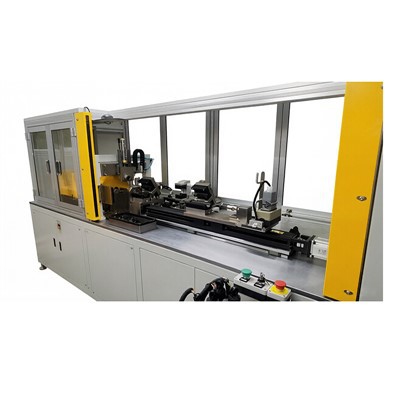
First off, let’s talk about what a hydraulic cylinder is. In simple terms, it’s a mechanical actuator that uses hydraulic power to produce a unidirectional force through a unidirectional stroke. It’s a key component in a wide range of production equipment, from construction machinery to manufacturing assembly lines.
Performance Requirements
One of the most important requirements for hydraulic cylinders in production equipment is performance. You need a cylinder that can handle the specific tasks and loads it’s designed for. This means considering factors like the cylinder’s force output, speed, and stroke length.
Force Output
The force output of a hydraulic cylinder is determined by the pressure of the hydraulic fluid and the area of the piston. For heavy – duty production equipment, like a large press or a mining machine, you’ll need a cylinder with high force output. For example, in a metal stamping press, the cylinder needs to generate enough force to shape the metal sheets accurately. On the other hand, for lighter applications such as a small robotic arm in an electronics assembly line, a lower force – output cylinder will do the job.
Speed
The speed at which the hydraulic cylinder extends and retracts is also crucial. In some production processes, like high – speed packaging lines, the cylinders need to operate quickly to keep up with the production rate. However, in other applications, such as precision machining, a slower and more controlled speed is required to ensure accuracy. You need to choose a cylinder that can meet the speed requirements of your production equipment.
Stroke Length
The stroke length is the distance the piston can travel inside the cylinder. It depends on the specific function of the production equipment. For example, in a vertical lift system, the stroke length needs to be long enough to lift the load to the desired height. If the stroke length is too short, the equipment won’t be able to perform its task effectively.
Durability and Reliability
Production equipment often runs for long hours, sometimes even continuously. So, the hydraulic cylinders need to be durable and reliable.
Material Quality
The materials used in the construction of the hydraulic cylinder play a big role in its durability. The cylinder barrel is usually made of high – strength steel to withstand the internal pressure. The piston rod is often chrome – plated to prevent corrosion and wear. High – quality seals are also essential to prevent hydraulic fluid leakage and keep contaminants out. For example, in a corrosive environment like a chemical plant, the cylinder needs to be made of materials that can resist chemical attack.
Resistance to Wear and Tear
Hydraulic cylinders are subject to a lot of wear and tear during operation. The moving parts, such as the piston and the seals, experience friction, which can cause damage over time. To ensure long – term reliability, the design of the cylinder should minimize wear. For instance, the use of proper lubrication systems and low – friction materials can help reduce wear and extend the lifespan of the cylinder.
Maintenance and Serviceability
It’s important that the hydraulic cylinders are easy to maintain and service. In a production environment, downtime can be very costly. So, cylinders with accessible components and simple maintenance procedures are preferred. For example, if a seal needs to be replaced, it should be a relatively straightforward process that doesn’t require a lot of time or special tools.
Compatibility
Hydraulic cylinders need to be compatible with the rest of the production equipment and the hydraulic system.
System Pressure and Flow
The cylinder must be able to handle the pressure and flow rate of the hydraulic system it’s connected to. If the pressure is too high for the cylinder, it can cause damage. If the flow rate is too low, the cylinder may not operate at the desired speed. So, careful consideration is needed when choosing a cylinder to ensure it matches the specifications of the hydraulic system.
Mounting and Connection
The cylinder needs to be properly mounted and connected to the production equipment. Different types of equipment may require different mounting styles, such as flange mounts, clevis mounts, or trunnion mounts. The connection ports of the cylinder also need to be compatible with the hoses and fittings of the hydraulic system.
Safety Requirements
Safety is always a top priority in production equipment, and hydraulic cylinders are no exception.
Over – Pressure Protection
Hydraulic systems can experience sudden pressure spikes. To prevent damage to the cylinder and ensure the safety of the operators, it’s important to have over – pressure protection devices. These devices can relieve the excess pressure and prevent the cylinder from failing under high pressure.
Emergency Stop and Locking Mechanisms
In case of an emergency, the production equipment needs to be able to stop the operation of the hydraulic cylinder immediately. Some cylinders are equipped with emergency stop and locking mechanisms to prevent unintended movement. For example, in a crane, a locking mechanism can prevent the load from accidentally falling.
Cost – Effectiveness
Finally, cost – effectiveness is an important factor. You want to get the best value for your money. This means considering not only the initial purchase price of the hydraulic cylinder but also the long – term operating costs. A high – quality cylinder may cost more upfront but can save you money in the long run by reducing maintenance and replacement costs.
As a supplier in the hydraulic industry production equipment, I’ve seen firsthand how choosing the right hydraulic cylinders can make a huge difference in the performance and efficiency of production equipment. If you’re in the market for hydraulic cylinders for your production equipment, I’d love to start a conversation with you. Whether you’re upgrading an existing system or building new equipment, I can help you find the cylinders that meet all your requirements.
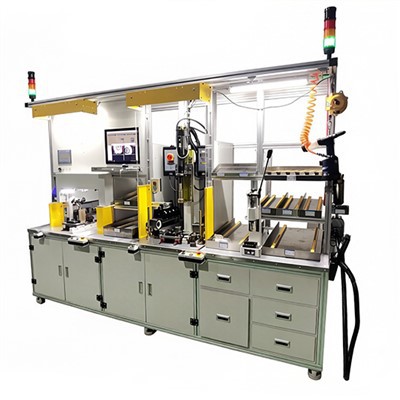
If you’ve got any questions or you’re interested in discussing your specific needs, don’t hesitate to reach out. Let’s work together to ensure your production equipment runs smoothly and efficiently.
Automotive Industry Production Equipment References:
- "Hydraulic Engineering Handbook"
- "Industrial Hydraulic Systems: Design and Maintenance"
- Various industry whitepapers on hydraulic cylinder technology
Shanghai Zenyan Automation Engineering Co., Ltd.
As one of the leading hydraulic industry production equipment manufacturers in China, we warmly welcome you to buy advanced hydraulic industry production equipment made in China here from our factory. All customized machines are with high quality and low price. Contact us for quotation.
Address: 3rd Floor, Building A, No.5629 Beisong Road, Chedun Town, Songjiang District, Shanghai, China
E-mail: zenyan_sh@163.com
WebSite: https://www.zenyanauto.com/
